
ICRA Your Trusted Partner for Financial Clarity ICRA Credit Rating Agency is established with a commitment to provide in-depth insights offering clarity and reliability that are of paramount importance in the intricate world of finance. Uncertainty and risks lurk in every corner of the financial landscape and this is where reliable insightful information plays a vital role in shaping decisions. ICRA stands as a beacon of confidence and clarity when it comes to providing trusted and credible ratings helping shape investor confidence, foster economic growth, and facilitate strategic decisions. ICRA assesses the creditworthiness of various entities with its robust methodology and offers comprehensive insights on financial health and risk profiles to help drive better decision-making. With ICRA’s transparent ratings, it helps investors navigate the complex world of finance with utmost confidence. Comprehensive Services Tailored for Your Needs Like – Issuer Credit Rating – is an assessment of entities creditworthiness that provides a clear picture of their financial stability and risk associated with it. With ICRA’s analytical expertise and rigorous insights, it helps ensure that these insights are not just mere numbers but in-depth evaluations. Several factors are taken into consideration when evaluating such as the financial performance of the issuer, debt repayment history, and market position of the entity. Through these factors, a thorough assessment is done to recognize an issuer’s ability to meet financial obligations. These ratings are crucial as they play a vital role in shaping the perception of a certain entity in the market, further affecting the borrowing costs for issuers and attracting potential opportunities. Portfolio Rating – these ratings help provide an overall picture of the risk involved as it evaluates by focusing mainly on the actual portfolio of the financial institutions. With the information provided through thorough assessment it acts a helping hand in optimizing portfolio strategies and navigating the complexities in the financial market through utmost ease. Various risks associated with the financial institutions are identified such as credit risk, liquidity risk, market risk, and operational risk. This in-depth analysis ensures that institutions enhance their portfolio effectively by managing potential risks. Investors services – central to ICRA’s investors services, it offers credit ratings to help provide investors with reliable insights into the creditworthiness and risk profile of issuers as these ratings are crucial for evaluating assessment opportunities, risk associated which helps investors understand the dynamics of market and sector-specific risks and opportunities. ESG Ratings – Signifying its focus on three main criteria i.e. Environmental, Social, and Governance. These ratings drive investors towards sustainability and help them mitigate risks by fostering responsible investments through sustainable ethical practices. This shift from the traditional way of assessing to growing awareness of interconnectedness between corporate behavior and its impact on social and environment helps determine long term financial performance of a company. The impact of ESG ratings towards a positive change cannot be overstated in the evolving landscape of finance. ICRA – Premier Choice for Financial Excellence – Choosing ICRA means choosing a partner with trust, transparency and reliability in financial services. ICRA stands out as a top agency when it comes to providing in-depth, credible and accurate insights to help navigate complexities with clarity and confidence in the intricate world of finance by making well-informed decisions. With our cutting edge expertise and rigorous methodologies we ensure that your decisions are strategic, informed and forward looking in order to help you elevate your financial growth and journey with utmost clarity. For more info Visit here : www.icrallc.com

Category: Uncategorized
A comprehensive overview of ICRA Credit Rating services

A comprehensive overview of ICRA Credit Rating services ICRA credit ratings play a crucial role in helping the clients navigate through intricate dynamics of the financial world. It assists the clients in assessing the risk associated with investment opportunities in the financial market and helps them make well-defined decisions. These ratings are an indication of the issuer’s ability to meet financial obligations in a provided time frame. ICRA communicates the credit risk linked to a certain entity by employing a systematic methodology to evaluate. The credit ratings are an assessment of the creditworthiness of various financial entities such as companies, debt instruments, financial institutions. An in-depth analysis enables ICRA to allocate transparent and reliable ratings that are influenced by various factors such as financial performance. Industry outlook, management quality. The importance of credit ratings cannot be underestimated as they help mitigate risks and provide navigation through market uncertainties. With an aim to enhance market efficiency and investor confidence, ICRA fosters transparency and credibility with its reliable credit ratings. Its rigorous credit assessments help businesses to make informed decisions and navigate the complexities in the financial dynamics with utmost confidence. ICRA credit ratings help you maximize your global credit potential with the right insights. Leverage the benefits with ICRA Rating – The historical and well as future performance prospects of the business is assessed by the rating analysis after reviewing both quantitative and quantitative factors. There are certain benefits offered that assists in enhancing the competitiveness and unlocking new opportunities with ICRA strategic advantages. Increase your access to new markets – ICRA credit ratings serve as a signal of approval to investors it can help you acquire better access to new markets and expand business globally by showcasing high credit ratings. A strong rating can help unbolt growth opportunities and instill market confidence. In ever evolving financial dynamics leveraging credit rating services can help unlock doors to untapped markets. Get to be in the eyes of potential investors by proving your organization is stable and reliable with a good credit rating. Explain your creditworthiness to external parties – Articulate your financial health and risk profile to potential parties with assessment of your organization’s creditworthiness and foster smooth negotiations by strengthening position in business transactions. Build trust and strengthen confidence within stakeholders by presenting transparent and accurate creditworthiness of your organization. Benchmark your organization’s strengths & weaknesses – it is crucial for businesses to understand where they hold a position in the financial landscape and identify areas of weaknesses and strengths. Credit ratings help provide invaluable insights regarding your organization and allows you to benchmark against industry competitors in terms of your performance. It enables you to make data- driven decisions and identify areas of improvement, implement strategic strategies and get ahead on competitive advantages. Enhance your corporate transparency – By demonstrating transparent credit rating, organizations can offer a clear view of their financial performance and allow investors to get a comprehensive view of their company finances. A thorough assessment of financial statements, profitability, liquidity and overall risk is provided. This transparent financial information is important for investors, partners since they rely on this information to make informed decisions regarding their investments. Anticipate the cost of capital – Anticipation of cost of capital by the organization serves as a fundamental aspect of financial strategy. With high credit ratings organizations get to secure lower interest rates while signaling a lower default risk. This enables organizations to secure debt at a pleasing interest rate. Similarly lower rating results in higher interest rates. By understanding the impact of their credit ratings on financial costing it enables to draw risk management strategies enabling the organization to protect against ever evolving financial changes. Choose ICRA for your credit rating needs – Embrace the power of credit ratings by integrating it into your financial strategy. Strengthen your financial foundation and position your dynamic growth with its global market presence. In the intricate financial landscape achieve a competitive advantage and gain investors confidence by showing your company’s creditworthiness. Leverage the benefits of ICRA credit rating service to achieve success and growth in the global financial market. Let ICRA help you secure reliable insights into your financial performance and provide reliable credit ratings to help you navigate complex financial dynamics with utmost confidence. For more info Visit here : www.icrallc.com
Comprehending ICRA Scorecard and its significance
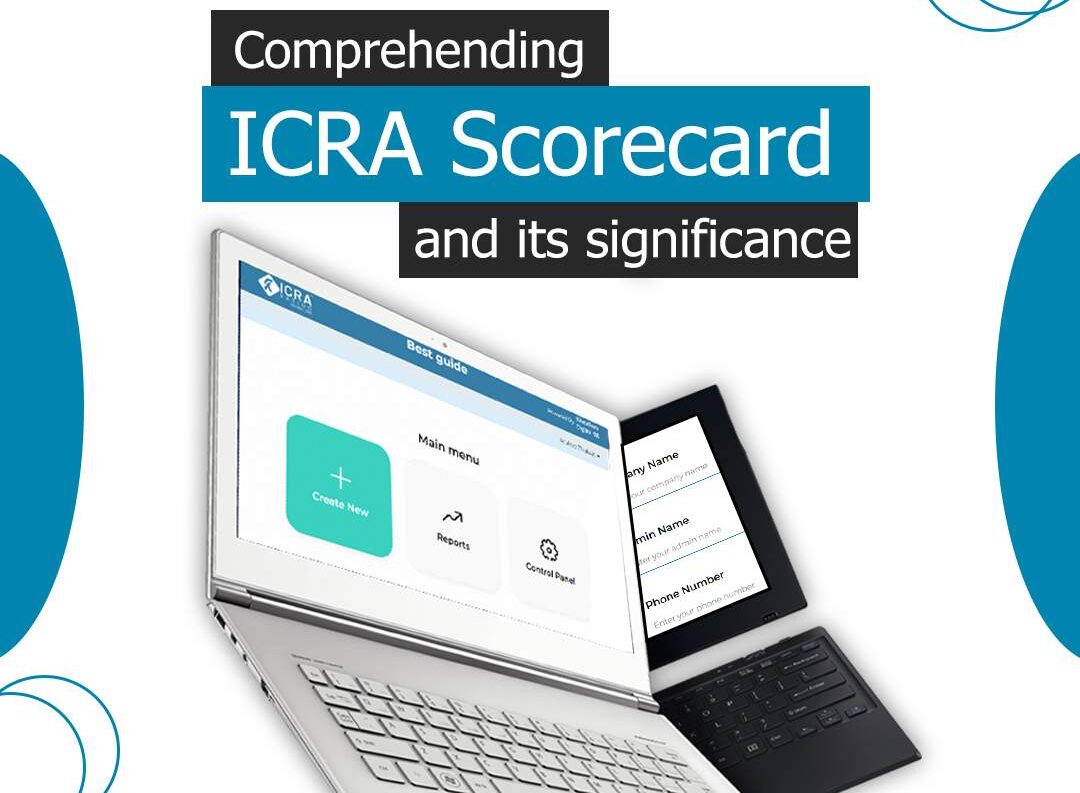
Comprehending ICRA Scorecard and its significance ICRA stands out as a prominent player when it comes to offering invaluable insights via its scorecard. The very use of this tool is primarily to assess credit risk and guide investments, along with evaluating the worthiness of companies, banks, or financial instruments. The prime benefit of the ICRA Scorecard is its ability to distill complex financial information into an understandable and straightforward format. With the ICRA scorecard, the standardized framework for evaluating and assigning credit ratings is delivered accordingly, based on factors such as financial performance, industry dynamics, and macroeconomic trends. The securing of loans or credit becomes easy with the demonstration of creditworthiness. The use of scorecards simplifies the process, thereby reducing time and efforts, contributing to the management of human resources. With authentic credit ratings from well-designed scorecards, one can increase their confidence in the market, and through this, it increases a chance for the investors to engage with entities that have transparent credit assessments. A special benefit of the scorecard for the corporate customers comes with the major focus on strengths and weaknesses. This insight is further used for improvement in financial growth and other operational aspects. Navigation through the dynamic world of credit becomes unchallenging and confident for clients with their conscious decisions. The ICRA scorecard is your ultimate ally in supercharging your credit evaluations, whether you are a financial institution in UAE, Tanzania or Uganda. Used across borders, it assists in ensuring that financial institutions benefit from its thorough and reliable credit assessments. DECODING BENEFITS OF ICRA SCORECARD- Enhancing transparency – comprehensive criteria and scoring methodologies fabricate transparency in the credit evaluation process, enabling the clients to infer the understanding of the ratings. Efficiency – the use of scorecards oversimplifies the evaluation process, therefore saving precious time and valuable resources. The ICRA scorecard also helps in creating a well-informed marketplace in order to facilitate better decision-making amongst all the participants. Precautionary measures – the ultimate support in recognizing potential risks that come with lending or investing, further putting a halt to financial losses and enhancing portfolio stability with its dynamic risk management approach. Detailed analysis – with its thorough analysis, it ensures that every aspect of the financial statement is carefully analyzed and examined, thus providing an in-depth understanding of its creditworthiness. It makes sure that the clients receive a comprehensive assessment, further empowering them to take well-defined decisions. CONCLUSION – ICRA scorecard offers numerous advantages and benefits and also provides a path to navigate in the financial market with greater precision and assurance. It further provides an opportunity to propel your business forward, helping in speeding up its growth and success. It is not only a tool but an essential choice to optimize future growth and stability. Let ICRA be your partner in navigating the complexities of credit risk and upgrading the path to unlock the potential for exceptional growth and stability. Embrace the power of ICRA’s scorecard and lay the foundation for a brighter financial future. For more info Visit here : portal.icrallc.com
Understanding The Crucial Role Of Credit Rating In Business

understanding crucial role of credit ratings In Business In the world of finance, credit ratings are highly significant tools because they allow investors and creditors to have an idea of how creditworthy an entity like a government, corporation or security such as bonds is. In fact, default on debt obligations by the rated entity is the main object of credit rating. Therefore, this assessment enables investors to take risk-based lending decisions. This is where credit rating agencies come in. These are independent bodies that are set up to evaluate and provide credit ratings. ICRA is one of the prominent credit rating agencies globally. Exploring the Relevance of Credit Ratings The importance of credit ratings reverberates across the global financial landscape, manifesting in the following key aspects: Financial Health Assessment: In order to evaluate the financial health and stability of any organization, people rely on credit ratings. They assess issues such as debt levels, cash flow, profitability and management quality to ascertain likelihood of repaying debts in time. Investor Confidence: Investors will use credit ratings when deciding where to allocate capital. A higher credit rating normally means lower risk resulting in lower interest rates hence more attractive investments. On the other hand, lower ratings mean higher risk and this might lead to increased borrowing costs or even reluctance from investors. Accessibility to markets: Credit ratings have significant consequences for corporations and governments’ ability to access the capital markets. Entities with high credit ratings can borrow money on favorable terms while low ratings may restrict financing options or increase borrowing costs. Regulatory Requirements: There are regulatory guidelines covering the quality of loans held by most financial institutions. These laws are usually benchmarked with the help of credit rating agencies. For example, commercial banks may be compelled to put up more money against loans that lack a high level of trustworthiness. Risk Management: Furthermore, financial institutions and investors use credit ratings as an essential part of risk management. Traders can substantially diminish the likelihood of default by diversifying their investments portfolios based on credit ratings. Credit Rating Agencies: Nevertheless, the credibility and independence of the credit rating agencies that grant them are what makes credit ratings relevant. For instance, ICRA LLC among others conduct a comprehensive analysis of credit risks to give non-partisan estimates. Creditworthiness is essential for firms and governments who wish to tap into the international capital markets. Entities having excellent credit records could enjoy low borrowing costs while poor ratings can limit financing options or increase borrowing rates. Factors Influencing Credit Ratings – Alphabetic Scale (e.g., AAA to D) There are diverse influences on credit ratings. Financial Performance: Key indicators such as cash flow, earnings, and sales increase serve as the backbone of determining ratings thereby providing a view of how financially viable an entity is. Debt-To-Equity Ratio: A measure of debt to equity, this ratio is a good gauge for financial well-being. High ratios may increase likelihood of default while low ones indicate relatively lower risks. Market Conditions: Such elements as interest rates, inflation rate and economic growth rate can also affect credit ratings indicating market dynamics in general. Industry Trends: This would involve certain trends that, if they happen to affect revenue generations and profitability of an organization, might cut down on the credit scores with respect to customer demands or the performance of an industry. Essentially, it suggests that without good credit history these kinds of ratings are significant in terms of future financial activities as well as stability. If these individuals can understand why these credit ratings are made and how they operate, then they will be able to make informed decisions about banking thereby enhancing their economy. Topmost Credit Rating Agency ICRA ICRA is the preferred rating agency among investors, issuers and financial institutions for a number of reasons. ICRA’s strength lies in its in-depth industry expertise and understanding that spans across multiple sectors of the economy. Starting from banking and related industries to manufacturing, infrastructure, healthcare and power sectors, ICRA has thorough knowledge of all which enables it to perform accurate credit evaluations that are meaningful with respect to each sector. Moreover, ICRA’s ratings are highly esteemed for their accuracy, transparency, and adherence to stringent analytical norms. Take the first step towards a better future with ICRA. Contact Our Experts!
Credit Recommendations: Expert Advice on Managing Debt and Improving Your Financial Profile
Credit Recommendations: Expert Advice on Managing Debt and Improving Your Financial Profile Have you ever wondered how lenders decide whether to approve your loan application and at what interest rate? In today’s ever-evolving financial landscape, navigating debt responsibly is essential for securing loans, mortgages, and accessing essential financial products. Understanding your creditworthiness and taking proactive steps to improve your credit profile are critical for your financial well-being. This is where credit recommendation agency, like ICRA, can be valuable partners on your financial journey, offering expert advice and tailored recommendations to help you achieve your financial goals. How can credit recommendations help you? Credit recommendations offer several benefits to individuals seeking to manage their debt and improve their financial health: Gaining Insights into Your Creditworthiness: A credit recommendation provides a clear picture of your current credit standing. This helps you identify areas for improvement and develop a personalized strategy to enhance your credit score. Understanding Lender Perspectives: By understanding how lenders view your credit profile through a credit recommendation, you can anticipate their decisions and strategize for securing favorable loan terms. Facilitating Informed Financial Decisions: Credit recommendations empower you to make informed borrowing choices. Understanding your creditworthiness allows you to determine the type of loan you qualify for and helps you avoid excessive debt burdens. Negotiating Better Loan Terms: A strong credit recommendation can empower you to negotiate lower interest rates and better loan terms with lenders, potentially saving you money over the long term. Improving Your Overall Financial Health: By proactively managing your credit and improving your credit score, you can unlock access to better financial products and opportunities, positively impacting your future financial well-being. Expert Advice on Managing Debt and Improving Your Credit Score: Here are some key strategies recommended by financial experts to improve your credit score and manage debt effectively: Maintain Consistent On-Time Payments: This is the single most critical factor influencing your credit score. Make all credit card bills, loan installments, and other financial obligations on time and in full each month. Optimize Your Credit Utilization Ratio: Aim to keep your credit card balances below 30% of your total credit limit. Reducing your credit utilization signifies responsible credit management to lenders. Monitor your credit report regularly. Request your free credit report from each major credit bureau annually to identify any errors or inconsistencies. Dispute any inaccuracies promptly to maintain a clean credit history. Develop a Debt Repayment Plan: If you have existing debt, create a realistic repayment plan to prioritize paying it down. Focus on high-interest debts first to minimize overall interest costs. Diversify Your Credit Mix: Having a healthy mix of credit products, such as credit cards and installment loans (e.g., mortgages), can positively impact your credit score. However, avoid applying for unnecessary credit. Seek Guidance from a Credit Recommendation Agency: Agencies like ICRA can provide valuable insights and personalized recommendations to improve your credit profile and navigate financial decisions effectively. What are credit recommendation agencies? Credit recommendation agencies, like ICRA credit rating, provide objective assessments of a borrower’s creditworthiness based on their financial history and current financial standing. They analyze various factors, including credit utilization ratio, payment history, and length of credit history, to issue a credit recommendation, which can be used by lenders to make informed decisions about loan approvals and interest rates. Conclusion By following these expert recommendations and leveraging the expertise of credit recommendation agencies like ICRA credit rating, you can take control of your financial destiny. A strong credit profile unlocks access to better financial products, empowers you to negotiate favorable loan terms, and paves the way for a more secure and prosperous financial future. Remember, responsible credit management and a commitment to good financial habits are key to achieving your financial goals. Take the first step towards a better future with ICRA. Contact Our Experts!
Building Credit from Scratch: Strategies for Establishing a Positive Credit History
Building Credit from Scratch: Strategies for Establishing a Positive Credit History In the dynamic world of business, establishing a strong credit history is crucial for securing financing, attracting investors, and achieving long-term growth. While established companies leverage their existing credit history to access essential financial resources, new businesses face the challenge of building credit from the ground up. This blog post, from ICRA, a leading international credit rating agency and Credit Rating Agency in Dubai, explores various strategies businesses can utilize to establish a positive credit profile and unlock financial opportunities. Understanding Credit Reports: Before embarking on credit-building strategies, businesses need a clear understanding of credit reports. A business credit report is a comprehensive document that details a company’s financial performance and business profile. It combines qualitative and quantitative analysis using various credit assessment techniques to paint a picture of the company’s creditworthiness. Lenders and financial institutions rely on credit reports to make informed decisions about loan approvals and interest rates. Key Factors Influencing Business Credit Reports: Payment History: Consistent and timely payments for bills, rent, and other financial obligations are the most significant factor influencing business credit scores. Late payments can negatively impact your creditworthiness and lead to higher borrowing costs in the future. Credit Utilization Ratio: This ratio compares the amount of credit being used (outstanding balances) to the total available credit limit (credit lines). Maintaining a low credit utilization ratio demonstrates responsible financial management to lenders. Length of Credit History: The longer a business has been operating and consistently fulfilling financial obligations, the stronger its credit history. New businesses naturally have a shorter credit history, but establishing credit lines and managing them responsibly can help build a positive track record over time. Public Records: Negative events like lawsuits, liens, or judgments can appear on a company’s credit report and negatively impact its score. Industry Type: Certain industries are inherently riskier from a lending perspective, which can be reflected in credit reports. Strategies for Building Business Credit: Secure a Business Credit Card: One of the most effective ways for new businesses to establish credit is by obtaining a business credit card. Use the card for essential business expenses and make timely payments in full to demonstrate responsible credit management. Start with a low credit limit and utilize the card strategically to build a positive credit history without incurring excessive debt. Establish Trade Credit with Suppliers: Many suppliers offer net 30 or net 60 terms, allowing businesses to purchase inventory and pay later. Paying invoices on time when leveraging trade credit helps build a strong credit history with vendors. Reliable payment can lead to increased credit limits and more favorable trade terms over time. Apply for a Small Business Loan: Securing a small business loan can be challenging for businesses without an established credit history. However, some lenders specialize in providing loans to new businesses. If you choose this route, make sure to demonstrate a sound business plan and utilize the loan funds responsibly for designated purposes. Consistent on-time repayments will significantly enhance your credit profile. Partner with a Business Partner with Established Credit: If possible, consider partnering with a company that has a strong credit history. This can involve forming a joint venture or becoming an authorized user on a business credit card linked to their account. However, this strategy requires careful consideration and a well-defined partnership agreement to avoid potential risks. Monitor and Manage Your Credit Report: Regularly monitor your business credit report to ensure its accuracy. Dispute any errors or inconsistencies promptly. Taking a proactive approach to managing your credit report demonstrates responsible financial practices to lenders. Building a Strong Credit History is a Journey: Building a strong business credit profile takes time and consistent effort. By implementing these strategies and demonstrating responsible financial management, new businesses can gradually establish a positive credit history and unlock essential financial resources for growth and success. Here are some additional questions for businesses to consider: What is the current creditworthiness of your business? (Obtain a copy of your business credit report) What financing needs does your business have in the short and long term? What credit-building strategies can be incorporated into your overall financial management plan? ICRA, a leading international credit rating agency, can be a valuable partner in your journey toward building a strong credit history. We offer a comprehensive suite of credit rating services designed to help businesses of all sizes understand their creditworthiness and navigate the financial landscape effectively. Contact ICRA, a leading Credit Rating Agency in Dubai today to learn more about our services and how we can help your business achieve sustainable financial growth. Take the first step towards a better future with ICRA. Contact Our Experts!
The Impact of Credit Rating Agencies on Financial Markets
The Impact of Credit Rating Agencies on Financial Markets Finance is a dynamic industry where new innovations and ordeals keep the industry in tandem, hence the name Tightrope Walk of Trust! Now we know that in finance, the most important commodity is trust and traders/ investors have to be extra vigilant. But the problem is that this is not feasible because how can one navigate in between risk and opportunities? Enter into the picture, the credit rating agencies and Credit Recommendation Services that have tremendously impacted the credit agencies. Today, we’ll delve into their impact on financial markets, exploring their influence and potential pitfalls. Top Credit Rating Agency In Dubai with Impact on financial market ICRA, S&P Global ratings, Moody’s Investor, and Fitch ratings are the top credit rating agency in Dubai who are also serving as the Credit Recommendation Services. Credit Recommendation Services: While CRAs offer independent assessments, credit recommendation services go a step further, providing tailored advice based on your individual circumstances and risk tolerance. These services can be valuable for investors seeking personalized guidance beyond a simple letter grade The true impact on financial market – Trust – Trust is the biggest impact of credit agencies in financial market. The agencies have an industry-standard framework for ranking and asserting the creditworthiness of an individual. They allow an individual or an enterprise to make smart decisions based on data improving transparency and improving financial market. The Risk Management Portfolio – The credit rating agencies like IKRA allow for risk management. They do so by highlighting any potholes by default. While many of you believe that it’s the innate work of Credit rating agencies to provide accurate risk management by default but the Credit Rating agencies & Credit Recommendation Services provide more than risk mitigation is the main taker here. Capital Expenditure – The financial markets can now mold themselves as per the dynamic nature of cost of capital. Top Credit Rating Agencies In Dubai can help you. Credit ratings via Credit Recommendation Services directly impact the interest rates borrowers pay, with higher ratings leading to lower costs. Feedback & Bench marking – Currently, most credit agencies are helping MSME’s assist their financial strength & weakness. A data by ADB Institute indicates that over 93% of MSME’s are struggling with getting easy access to funding. So, this data alone makes the strong financial impact of CRAs paramount. Some potential pitfalls: Conflicts of Interest: The “issuer-pays” model, where borrowers pay for ratings, raises concerns about potential bias in favor of higher ratings. Market Manipulation: CRAs have been accused of manipulating markets through their ratings, contributing to financial crises like the 2008 crash. Limited Scope: Ratings primarily focus on historical data, potentially overlooking future risks and innovative business models. Too much dependence on Subisdy – Today a new type of volatility is arriving between credit rating agencies because of Subsidies under the PCRS or Performance & Credit Rating Scheme. The scheme in itself is not problematic. What makes it problematic is the instability based on your fiscal stimulus. The Future of Credit Ratings: The role of CRAs is constantly evolving. Technological advancements like AI and big data are expected to enhance their analytical capabilities. Additionally, calls for greater transparency and accountability within the industry are growing louder. Credit Recommendation Services will play a huge role. Final Verdict – Conclusion: Credit rating agencies play a significant role in shaping financial markets, influencing trust, risk perception, and ultimately, investment decisions. While they offer valuable insights, it’s crucial to understand their limitations and potential biases. By combining their assessments with thorough research and personalized advice, investors can navigate the financial landscape with greater confidence. Remember: This blog serves as informational content and should not be construed as financial advice. Always consult with qualified professionals before making any investment decisions. I hope this blog provides a helpful overview of the impact of credit rating agencies on financial markets. Feel free to share your thoughts and questions in the comments below! Take the first step towards a better future with ICRA. Contact Our Experts!
Importance and Benefits of Credit Rating Agencies
Importance and Benefits of Credit Rating Agencies A credit rating agency can come handy for evaluating a borrower’s financial credit reports to make smart decision and curbing the gap between borrower and leaser. CRAs or Credit rating agencies come to everyone’s aid who help the individuals by telling clear dataon creditworthiness assessment of that of a borrower. What are Credit rating agencies? Credit rating agencies (CRAs) play a crucial role in the financial world by assessing the creditworthiness of borrowers, be it individuals, companies, or even governments. These assessments, expressed as letter grades, help various stakeholders make informed decisions and navigate the intricacies of borrowing and lending. In essence, CRAs act as independent evaluators, bridging the gap between borrowers and lenders. Recommended – ICRA Credit Rating Agency Who to consider for credit recommendation? Consider ICRA for Credit Recommendation. ICRA is one of the most trusted standing agencies in the request, which has a platoon of experts having an experience 25 times in inspection, examination, and instrument. They’ve a professed platoon who offers a superior on- ground presence in UAE. The credit capabilities are showcased to the guests with the help of the ICRA standing recommendation. Importance of Credit Rating Agencies: Informed Decision Making: CRAs provide default risk assessments, allowing lenders to judge the likelihood of borrowers repaying their debts if any. This information is paramount for approving loans, setting interest rates, and managing overall risk exposure. Efficient Capital Allocation: By categorizing borrowers based on their creditworthiness, Credit research agencies facilitate the efficient allocation of capital in the market. Investors can choose investments based on their risk tolerance, and borrowers with better credit ratings typically have access to cheaper capital. ICRA Credit Rating Agency helps in each step. Market Transparency: The rating agencies make sure & ensure transparency in the market by providing independent and objective opinions on borrowers’ financial health. This helps prevent information asymmetry and promotes fair competition. Equifax puts CRA’s on top Benchmarking and Regulation: Credit ratings serve as benchmarks for financial regulators and policymakers to assess risks within the system and implement appropriate regulations. A Credit Recommendation Agency can come in handy here. Benefits of Credit Rating Agencies – For Borrowers: ICRA Credit Rating Agency is useful here Access to Capital: Having a par credit rating allows borrowers to get loans and other forms of financing more easily and at much lower interest rates. Negotiation Power: A strong credit rating strengthens a borrower’s bargaining position when negotiating loan terms and conditions strengthning his position. Investor Confidence: High credit ratings attract investors, leading to better access to capital and potentially lower costs. Credit Recommendation Agency like ICRA can assist here also. For Investors: ICRA Credit Rating Agency Risk Assessment: Credit ratings provide and extra hand to investors with a quick and default way to assess the risk associated with different investment options. Informed Investment Decisions: Investors can then use these credit ratings to make informed decisions about allocating their capital across various asset classes. Market Efficiency: In the end, the credit research agencies like ICRA contribute to a more efficient market by helping investors identify undervalued or overvalued assets. However, it’s important to acknowledge the criticisms surrounding CRAs: Conflicts of Interest: CRAs are paid by the entities they rate, which can create a potential conflict of interest. Limited Scope: Credit ratings are based on historical data and may not always accurately reflect future risks. Credit Recommendation Agency like ICRA can help you to avoid going wrong side. Market Manipulation: Some argue that CRAs can manipulate ratings to benefit certain parties. Despite these criticisms, CRAs remain a vital part of the financial system. In the vast and intricate landscape of finance, navigating risks and making informed decisions can be like traversing a labyrinth with endless entries and ends. Regulatory reforms and increased transparency are being implemented to address potential issues and ensure the continued relevance and reliability of credit ratings. ICRA does not hold any negative manipulation and participate in as a standard agency in the credit recommendation agency market. I hope this detailed explanation provides a comprehensive understanding of the importance and benefits of credit rating agencies. Take the first step towards a better future with ICRA. Contact Our Experts!
Decoding the Business Model of Credit Rating Agencies: Insights into ICRA, a Top Credit Rating Agency
Decoding the Business Model of Credit Rating Agencies: Insights into ICRA, a Top Credit Rating Agency In the dynamic landscape of finance, credit rating agencies play a pivotal role in assessing and assigning creditworthiness to entities, guiding investors and businesses alike. One such notable player in the credit rating arena is ICRA, recognized as a top credit rating agency in India. Before delving into the intricacies of the business model employed by these agencies, let’s first glance at some illuminating statistics that underscore their influence in the Indian financial realm. Indian Credit Rating Landscape: A Statistical Overview India, with its rapidly growing economy, has witnessed a significant surge in financial activities. The credit rating industry in the country has expanded exponentially, with an annual growth rate of approximately 12% in recent years. This growth is indicative of the increasing reliance on credit ratings by investors, financial institutions, and corporations in making well-informed decisions. As of the latest available data, the industry has become a critical component of India’s financial architecture. In this dynamic landscape, ICRA credit rating agency stands out as a distinguished player. Recognized as a top credit rating agency in India, ICRA has carved a niche for itself by providing comprehensive and reliable credit assessments. Now, let’s delve into the intriguing world of credit rating agencies and dissect their business model. The Core Business Model of Credit Rating Agencies At the heart of a credit rating agency’s operations is the task of evaluating the creditworthiness of entities, be it corporations, governments, or financial instruments. The business model revolves around offering unbiased and informed opinions on the likelihood of an entity meeting its financial obligations. The agencies generate revenue primarily through two key streams: issuer fees and subscriber fees. Issuer Fees: Credit rating agencies charge fees to the entities seeking credit ratings, commonly referred to as issuers. These fees are levied for the thorough assessment of an issuer’s creditworthiness. The amount charged depends on the complexity and scale of the evaluation. Subscriber Fees: Investors and other market participants who seek access to credit ratings subscribe to the services offered by credit rating agencies. Subscriber fees constitute a significant portion of their revenue and provide stakeholders with valuable insights into the risks associated with various financial instruments. Challenges in the Business Model: Conflict of Interest While the business model is straightforward, it has faced scrutiny due to inherent conflicts of interest. One of the significant criticisms revolves around the fact that issuers pay for the ratings they receive. This dynamic has the potential to compromise the objectivity of the credit rating process. The 2008 financial crisis exposed instances where credit rating agencies assigned high ratings to financial products that later proved to be far riskier than indicated. ICRA’s Approach to Mitigating Challenges In the Indian context, ICRA has been proactive in addressing potential challenges to its business model. The agency places a strong emphasis on maintaining independence and objectivity in its credit assessments. ICRA has implemented robust internal controls and ethical guidelines to mitigate conflicts of interest, ensuring that its ratings remain credible and reliable. Regulatory Oversight in India Recognizing the critical role played by credit rating agencies in the financial system, regulatory bodies in India, including the Securities and Exchange Board of India (SEBI), have established stringent guidelines. These guidelines aim to enhance transparency, credibility, and accountability in the credit rating process. Regulatory oversight ensures that credit rating agencies adhere to best practices, reducing the likelihood of biased assessments. Conclusion As credit rating agencies continue to play a crucial role in shaping financial decisions, the business model that underpins their operations remains central to their success. In the case of ICRA, a top credit rating agency in India, a commitment to transparency, independence, and embracing technological advancements positions them as key players in navigating the complex financial terrain. Take the first step towards a better future with ICRA. Contact Our Experts!
Unravelling the Accountability and Credibility of Credit Rating Agencies: A Closer Look at ICRA and the Top Players in the Industry

Unravelling the Accountability and Credibility of Credit Rating Agencies: A Closer Look at ICRA and the Top Players in the Industry In the dynamic world of finance, where trust and reliability are paramount, credit rating agencies play a pivotal role. These agencies evaluate the creditworthiness of entities, providing investors and stakeholders with crucial information for making informed decisions. One such prominent player in the credit rating landscape is ICRA, a leading agency in India. Before delving into the accountability and credibility of credit rating agencies, let’s glance at some compelling statistics that underscore their significance in the Indian financial ecosystem. Indian Credit Rating Landscape: A Snapshot India, with its burgeoning economy, has witnessed a substantial increase in financial activities. As of the latest available data, the credit rating industry in India has experienced remarkable growth, with an annual average increase of 10-12% in recent years. With the Reserve Bank of India (RBI) and the Securities and Exchange Board of India (SEBI) maintaining a vigilant eye on financial markets, the credit rating agencies in the country play a crucial role in ensuring transparency and reliability. Among the top credit rating agencies in India, ICRA stands out as a reliable and influential entity. ICRA credit rating agency, known for its comprehensive assessments, has consistently proven its mettle in the financial landscape. As a top credit rating agency, ICRA employs a meticulous approach in evaluating the creditworthiness of entities, offering valuable insights to market participants. Now, let’s shift our focus to the broader discussion on the accountability and credibility of credit rating agencies. The Accountability Conundrum Credit rating agencies hold a significant responsibility in providing unbiased and accurate assessments. However, the 2008 financial crisis revealed some critical flaws in the system, leading to questions about the accountability of these agencies. One of the key issues was the conflict of interest, as agencies were being paid by the very entities they were supposed to evaluate objectively. The aftermath prompted regulatory reforms and increased scrutiny to ensure a more robust framework. In this landscape, ICRA has strived to maintain a balance between serving its clients and upholding its responsibility to the broader financial community. The agency has implemented stringent internal controls and ethical guidelines to mitigate potential conflicts of interest, enhancing its accountability in the process. Credibility Challenges Credibility is the cornerstone of any credit rating agency. Investors and stakeholders rely on these agencies to provide accurate and unbiased assessments that guide their investment decisions. However, instances of rating discrepancies and failures, especially during times of economic downturns, have raised concerns about the credibility of credit rating agencies globally. ICRA, acknowledging the importance of credibility, has continually refined its methodologies and processes. The agency places a strong emphasis on transparency, regularly communicating its methodologies and assumptions to the public. This commitment to openness is designed to enhance trust and confidence in the agency’s assessments, reinforcing its credibility in the eyes of market participants. The Regulatory Landscape in India To strengthen the accountability and credibility of credit rating agencies in India, regulatory bodies have implemented measures to ensure compliance and adherence to ethical standards. SEBI, in particular, has played a pivotal role in monitoring and regulating credit rating agencies, periodically reviewing their processes and methodologies. These regulatory interventions aim to foster a more transparent and reliable credit rating environment, safeguarding the interests of investors and the financial system at large. Conclusion: Navigating the Credit Rating Landscape In conclusion, credit rating agencies, including ICRA, shoulder a weighty responsibility in the financial world. While the industry has faced challenges that have tested its accountability and credibility, regulatory interventions and the commitment of agencies like ICRA to transparency have been pivotal in enhancing trust. Take the first step towards a better future with ICRA. Contact Our Experts!